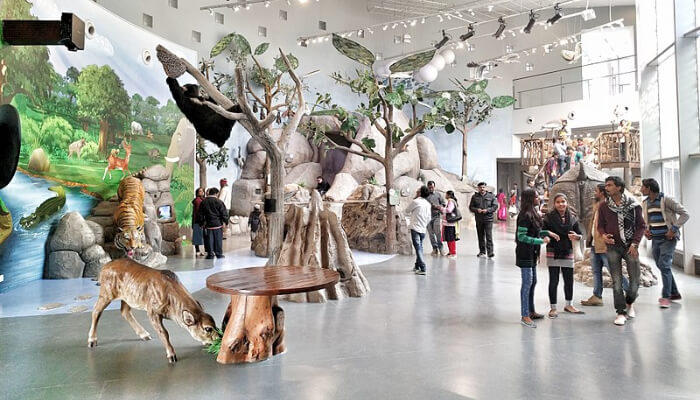
Patna Museum
Description
Bihar was separated from Bengal in 1912. After the separation, it was decided by authorities that a museum should be constructed in Patna, the capital city of Bihar. Finally, in 1915, a decision was made to start the museum informally with the collection of antiquities at the commissioner's bungalow. Bihar Museum or Patna museum, as it is more commonly known, was formally set up in 1917 by Edward Gait, who was the then lieutenant governor of Bihar & Orissa.
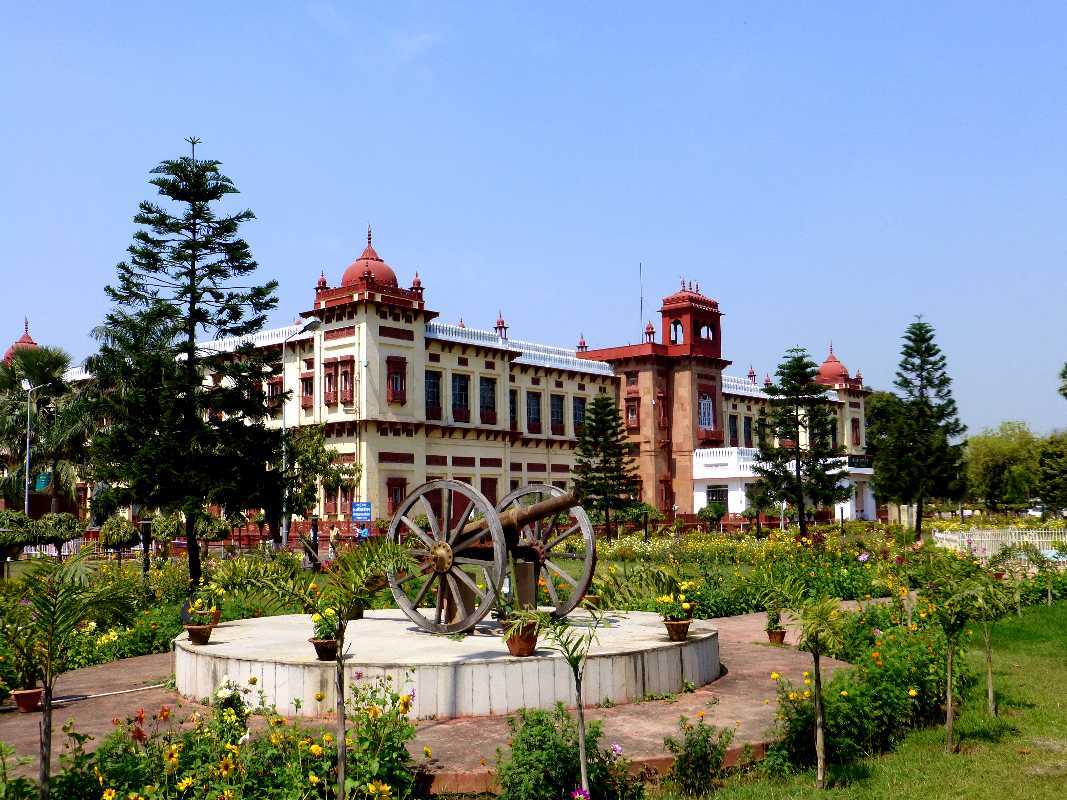
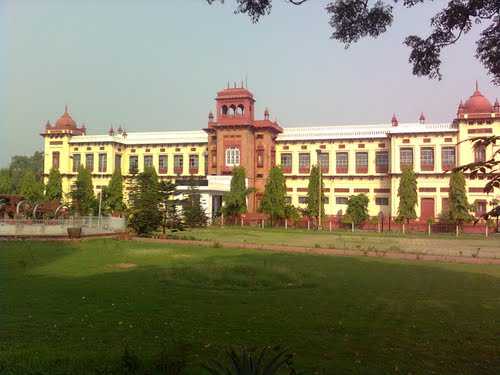
This place soon became insufficient to store all the artefacts found. Hence, in 1925-26, a piece of land on Patna-Gaya Road was chosen as the site of the new Patna Museum. This museum was declared open to the public on March 7, 1929. This museum in Patna was constructed in the Indo-Saracenic style.
Didarganj Yakshi- Belonging to the Ashoka's period, this huge statue got its name because it was founded near a place called Didarganj, on the banks of river Ganga in Patna in 1917. The upper part has been built with great finesse. It depicts a woman holding a Chauri (Fly whisk) in her right hand while her left hand is missing. The statue has been appreciated worldwide during exhibitions due to its architectural beauty.
Buddha Relic Casket- It is most admired by the Buddhist tourists. The Holy Relic Casket, made of soap-stone, was founded in 1958-59 in Vaishali. It is believed that the casket contains the ashes of Lord Buddha. The casket is situated in the Buddha Relic Gallery on the first floor of the building. You need to buy a ticket to see the casket.
Tree Fossil- The 53-feet tall tree fossil, the estimated age of which is 200 million years, was founded near Asansol in West Bengal by the Eastern Railways in 1927 and was gifted to the museum. It is situated in the corridor of Natural History Gallery.
More Details
The Patna Museum, locally known as the Jadu Ghar is a very popular museum that houses more than
50,000 rare art objects. These include Indian artefacts from the ancient, middle ages and the
British colonial era. It was built in 1917 and was started on 3 April of the same year during the
British rule to house the historical artefacts founded in Patna. The rich collection of the museum
will take you back to the past to reminisce Indian history and glory.
Constructed in the style of Mughal and Rajput architecture, the museum has different galleries that
contain masterpieces from the past. The Holy Relic Casket, with the sacred ashes of Lord Buddha and
the beautiful statue, Yakshani, are the most highlighted attractions of the place. Archaeological
objects such as coins, art objects, paintings, instruments, textiles, thankas, bronze sculptures and
terracotta images by various Hindu and Buddhist artists are on display in the museum.
Another one of the museum's prized possessions is a rare collection of British-period paintings
depicting day-to-day life of the Indians of the era, along with a fine collection related to the
first President of India, Dr Rajendra Prasad, and a First World War cannon.
Highlights:The nearest airport to Patna Museum is the Lok
Nayak Jaya Prakash Narayan Airport, which is located only 5 km away from the Patna Museum. The
nearest railway station to the museum is the Patna Train Station which is a single km away. Road
Transportation like private taxis, autos or cars can be used to reach the museum.Guides are also
provided by the museum and there are different prices for different groups. For one person, the fee
is INR 25, for 2 to 5 persons, the fee is INR 50 and for 6 to 10 persons, the fee is INR 100.
Distance from Patna Airport: 5 km.
Entrance fee: Indian Tourists: INR 15
Foreign Tourists: INR 250.
Timing: 10:00 AM - 5:00 PM (Closed on Monday).
Location: Madiri kat pur musuam k bagl m, Patna, Bihar
800001.